What Has Changed?
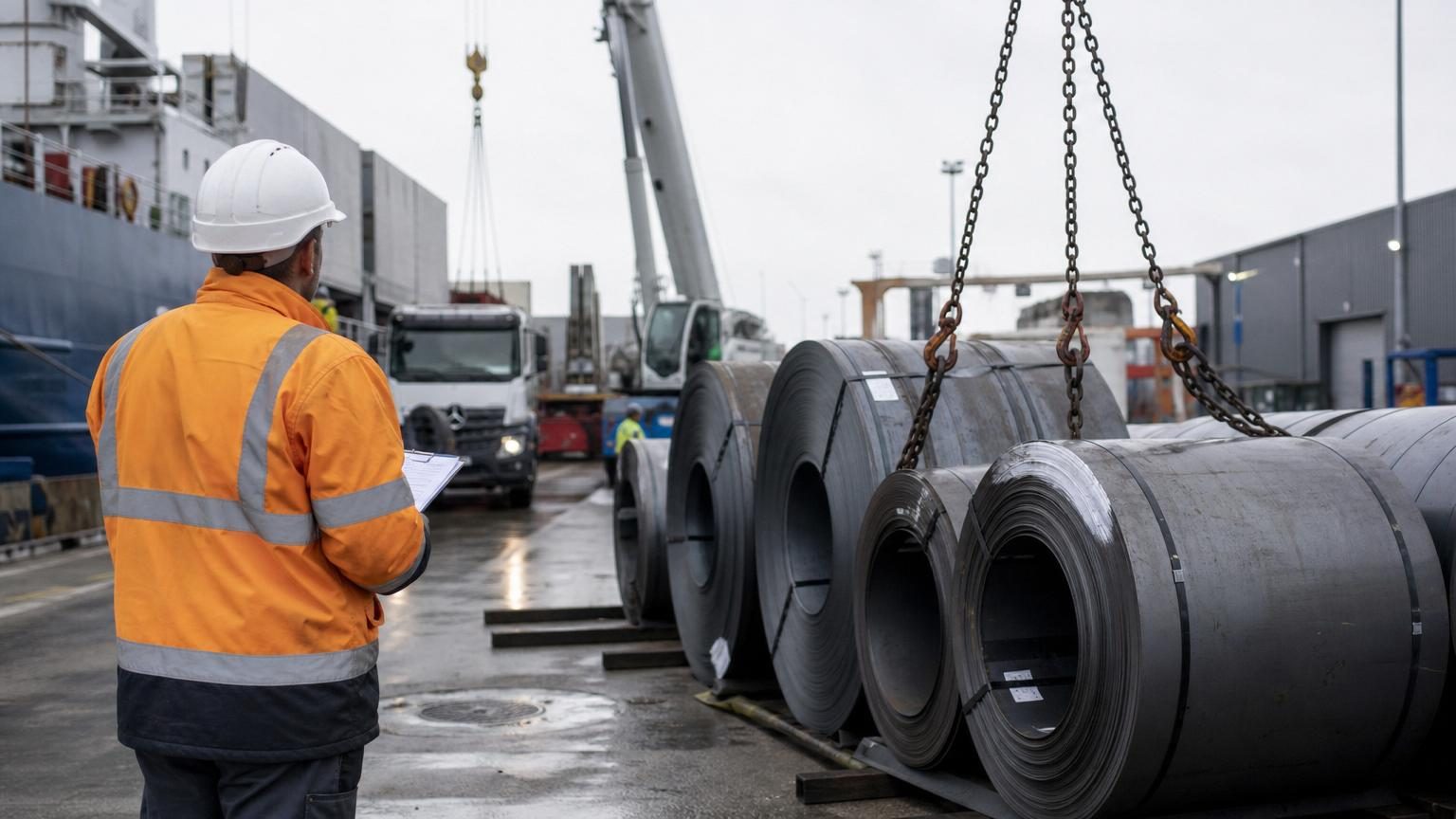
As of July 1, 2026, the UK government implemented new tariffs on steel imports. These include a reduction in the amount of steel that can be imported without tariffs (tariff-free quotas) and higher tariffs on imports exceeding these quotas. The policy aims to protect the domestic steel industry.
Why This Matters
This change means UK importers will face higher costs when importing steel volumes above the new, reduced free quota limits. Exporters could also be affected indirectly if trading partners respond or if costs impact supply chains. Operations managers and supply chain teams need to be aware of these cost implications and potential restrictions.
What Businesses Should Watch
- Monitor volumes of steel imports closely to avoid unexpected tariff charges.
- Review current contracts and supply arrangements to understand exposure.
- Assess alternative sourcing or inventory strategies to mitigate tariff impact.
- Stay informed about any further government updates or adjustments.
How Jenkar Can Help
Jenkar can assist businesses in navigating these new tariff rules by providing expert freight planning services. We offer tailored advice on import/export strategies, customs compliance, and cost optimization to help minimise disruption and expense.
Source: Sky News, New UK Steel Tariffs Come into Force, Affecting Importers and Exporters, published 1 July 2026.