
A practical guide to international shipping laws, standards and regulations covering customs, cargo safety, documentation and carrier liability.
Which rules affect an international shipment?
There is no single international shipping law that covers every movement. Compliance is a combination of customs, safety, product, transport and contract rules for the goods, countries and carriers involved.
- Customs and trade
- Classification, valuation, origin, licences, declarations, duty and import taxes depend on the destination and goods.
- Dangerous goods
- Hazardous cargo must be classified, packed, marked and documented under the rules for the selected transport mode.
- Cargo and transport safety
- Loading, container weight, securing and equipment standards can create shipper and carrier obligations.
- Contracts and liability
- Bills of lading, air waybills, road consignment notes and trading terms affect responsibility and claims.
- Sanctions and controls
- Restricted destinations, parties, products and dual-use goods require screening before a booking is accepted.
International shipping laws and regulations are important for the facilitation of global trade and without them, the movement of goods across borders would be inefficient and quite frankly, chaotic. With these laws in place however, the transportation of goods, documentation requirements and safety regulations are standardised to ensure security at borders and efficient international trade.
For businesses who regularly import and export goods internationally, understanding these laws and regulations is vital to ensuring a seamless and effective supply chain. Our aim at Jenkar is to help you stay up to date with the latest regulations in shipping and customs to ensure that your business is always compliant. Our latest guide provides an overview of the most important international shipping laws and the regulatory bodies that you need to be aware of for successful logistics operations.
What Are International Shipping Standards?
First things first, we need to cover what exactly is meant by international shipping standards and regulations. These are sets of laws and guidelines that are created by regulatory boards and international councils to ensure the safe and efficient transport of goods across international borders.
Regulations can affect customs duties and taxes, documentation requirements and most
importantly the restriction of certain goods crossing borders. Each country has their own set of rules and regulations for imports and exports, meaning businesses must be informed and
compliant with these varying standards.

Customs Regulations
While each country sets its own customs rules and regulations depending on the type of goods and their origins, there are some common customs regulations that every business must follow. These regulations prevent illegal goods being smuggled across borders and ensure compliance with international trade agreements. When preparing goods for shipment overseas, a business must complete a customs declaration, either themselves or by a freight forwarder.
What is a customs declaration?
A customs declaration is a document that provides detailed information about goods that are being imported or exported across international borders. This document is an essential part of the customs process so customs authorities can assess duties, taxes and the compliance of goods with national regulations.
What does a customs declaration form include?
A customs declaration typically must include:
● The shipper’s name, business name and address
● Consignee’s name and address
● The country of origin of each item
● A detailed and precise description of the products
● The value, quantity and weight of each item
● EORI (Economic Operators Registration and Identification) number – a GB, XI or EU EORI may be needed depending on the movement, where the business is established and who makes the declaration
● Harmonised System (HS) or Commodity Code
● Applicable certificates, licences or permits
● Commercial invoice and packing list
Additional International Customs Standards To Know About
Here are some additional key international standards that are worth familiarising yourself with;
● HS codes are six-digit numerical codes used to classify and identify the type of goods
being imported into a country. They also help to determine tariff lines, rules and customs
duties. The World Customs Organisation (WCO) administers the HS and updates it every
five years.
● A Harmonised Tariff Schedule (HTS) code however is made up of 10 digits (the first six are
the same as the HS code) and is specific to the U.S. HTS codes allow custom officials in
the U.S. to determine the duties that need to be paid on a shipment.
● CITES (Convention on International Trade in Endangered Species of Wild Fauna and Flora)
is an international agreement between governments. The treaty ensures the protection of
wild animals and plants in international trade and that they don’t threaten the survival of
species in the wild. This extends further than just live animals and plants however to the
products that derive from them such as food products, leather goods, medicines and
wooden musical instruments to name a few. CITES accords for the protection of more than
40,000 species of animals and plants.
● Rules of origin help to determine where your goods originate from (where they’ve been
manufactured or produced) and if they’re covered in trade agreements. They’re an
essential part of trade agreements and allow customs officials to apply the correct duties
to goods. Rules of origin apply to all goods, even if they’re covered in the UK’s trade
agreements.
● Short for International Commercial Terms, Incoterms are a set of rules that define the
responsibilities of buyers and sellers in international trade. They clarify who is responsible
for paying freight costs, documentation, insuring goods, and covering any tariffs at various
stages of the shipping process.

International Maritime Dangerous Goods (IMDG) Code
Shipping goods internationally by sea is one of the biggest industries in the world and certainly one of the most popular freight transport methods. Therefore regulating this industry is vital for the safety and efficiency of global trade.
The International Maritime Organisation (IMO) is responsible for all aspects of international
shipping, from ship design to operations to shipping emissions regulations, ensuring that the
sector remains safe and environmentally friendly. For example, SOLAS regulation V/19 sets AIS carriage requirements according to ship type, voyage and gross tonnage; it does not apply identically to every vessel.
One of the most important IMO shipping regulations however is the IMDG Code, an international standard that details the requirements of shipping individual hazardous substances, materials or articles. The Code covers information such as correct packing methods, container traffic, stowage and the segregation of incompatible substances. The IMDG Code categorises the dangerous goods into different classes and subdivisions such as explosives (Class 1), gases (Class 2) and flammable liquids (class 3).

Shipping Container Laws
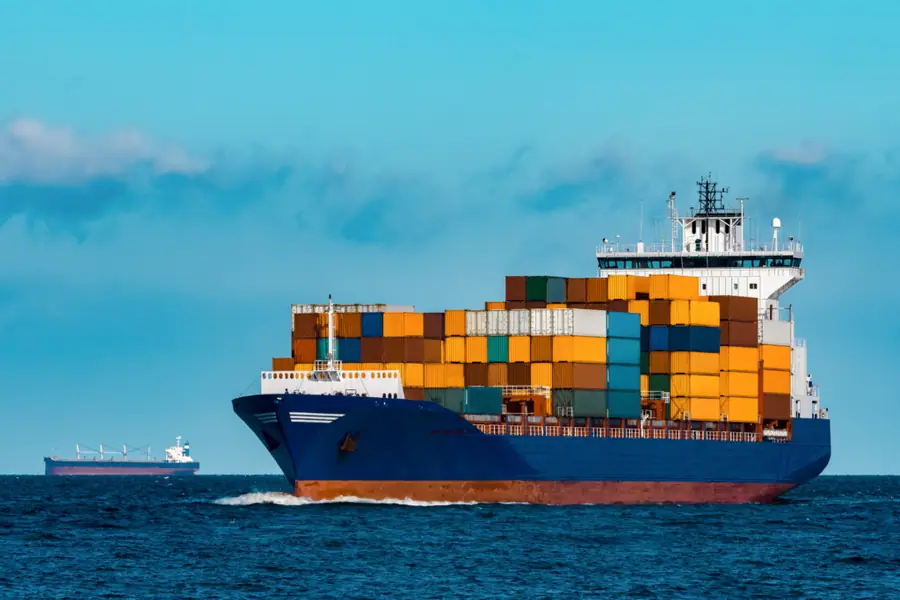
Shipping container rules and regulations are designed to ensure the safety and security of goods moved via sea. Under the International Convention for the Safety of Life at Sea (SOLAS), it is required to verify the gross mass of a packed container. This information is critical to ensure the correct stowage and stacking of containers in order to prevent collapse or loss overboard.
In Great Britain, the Freight Containers (Safety Convention) Regulations 2017 cover container approval and maintenance through recognised examination schemes overseen by the Health and Safety Executive.
SOLAS & MARPOL
While most trade agreements and import/export regulations remain unaffected under these
conventions, sea freight is subject to extra laws and regulations it must comply with. International conventions such as SOLAS ensure that maritime operations prioritise safety and the environment. They set comprehensive maritime safety standards, covering areas like ship design, equipment and crew training to protect lives at sea.
The International Convention for the Prevention of Pollution from Ships (MARPOL) on the other hand sets sustainable standards vessels must follow in an aim to minimise pollution from ships, including strict regulations on oil discharge and air emissions.
The Impact of Non-Compliance With International Shipping Laws
Failing to comply with international shipping regulations, especially laws surrounding imports and exports, could have a detrimental impact on businesses involved in global trade. Non-compliance could lead to hefty fines and penalties depending on the severity of the case. Further financial loss could be seen if customs authorities seize goods at the borders, charging extra for retrieval.
If a shipment is expected to not comply with a country’s trade laws, it could be held at border
control for a period of time, leading to significant delays and disruption to supply chains. In some cases, businesses could face legal action for customs violations, resulting in further fines, legal fees and potential trade sanctions.
Partner With A Trusted Freight Forwarder
As you can see, non-compliance with international shipping laws and regulations can have a
pretty significant impact on a business, leading to costly fees and supply chain disruptions.
Understanding international shipping laws and regulatory bodies can be complex and the
potential to make mistakes is always present.
Partnering with a trusted and reliable freight forwarder can help you navigate the complexities of global trade with ease and confidence. Jenkar’s team coordinates shipment information, customs formalities and transport documents against the current route and goods, working with the relevant authorities and specialists where required. The shipper remains responsible for accurate information and applicable product requirements; Jenkar can help identify the freight and customs steps that need confirmation before the cargo moves.
Jenkar ensures a seamless shipping experience, with a solution tailored to meet your exact
business needs. Get started with moving your goods across borders securely and efficiently with Jenkar Shipping today. Request your free freight quote now and discover how our services can streamline your supply chain operations.